
اسٹاک ٹریڈنگ
ETF Kya Hai؟ Pakistan کے نئے سرمایہ کار کے لیے Binance Guide
ETF کی مکمل Urdu guide: holdings، index، expense ratio، NAV premium/discount، tracking، liquidity، dividend، tax domicile اور Binance order checks۔
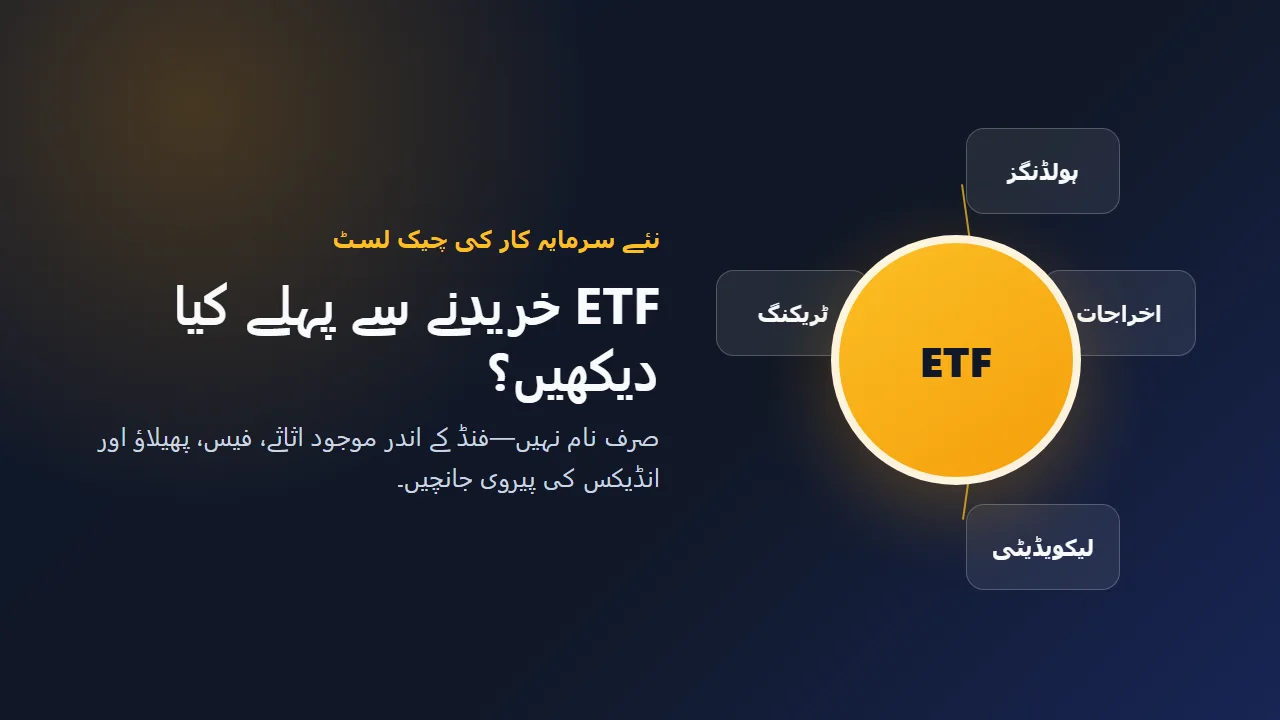
تحقیقی checklist کی جانچ: 25 اگست 2026۔ “ETF” ایک label ہے، quality guarantee نہیں۔ Fund objective، holdings، structure، costs، liquidity، domicile اور product wrapper verify کیے بغیر خرید نہ کریں۔ Binance availability account-specific ہے؛ یہ سرمایہ کاری یا tax مشورہ نہیں۔
مختصر جواب
ETF یعنی Exchange-Traded Fund ایسا investment product ہے جس کے shares exchange پر دن کے دوران market price پر خریدے اور بیچے جاتے ہیں۔ ETF index، sector، bonds، commodities یا کسی strategy کو follow کر سکتا ہے۔ Retail investor ETF share خریدتا ہے؛ fund اندر securities/cash کا portfolio رکھتا ہے۔
ETF ایک ہی trade میں کئی holdings دے سکتا ہے، مگر diversification تب ہی ہے جب holdings حقیقتاً مختلف ہوں اور چند بڑے names یا ایک sector میں concentration نہ ہو۔
ETF کا ڈھانچہ کیسے چلتا ہے؟
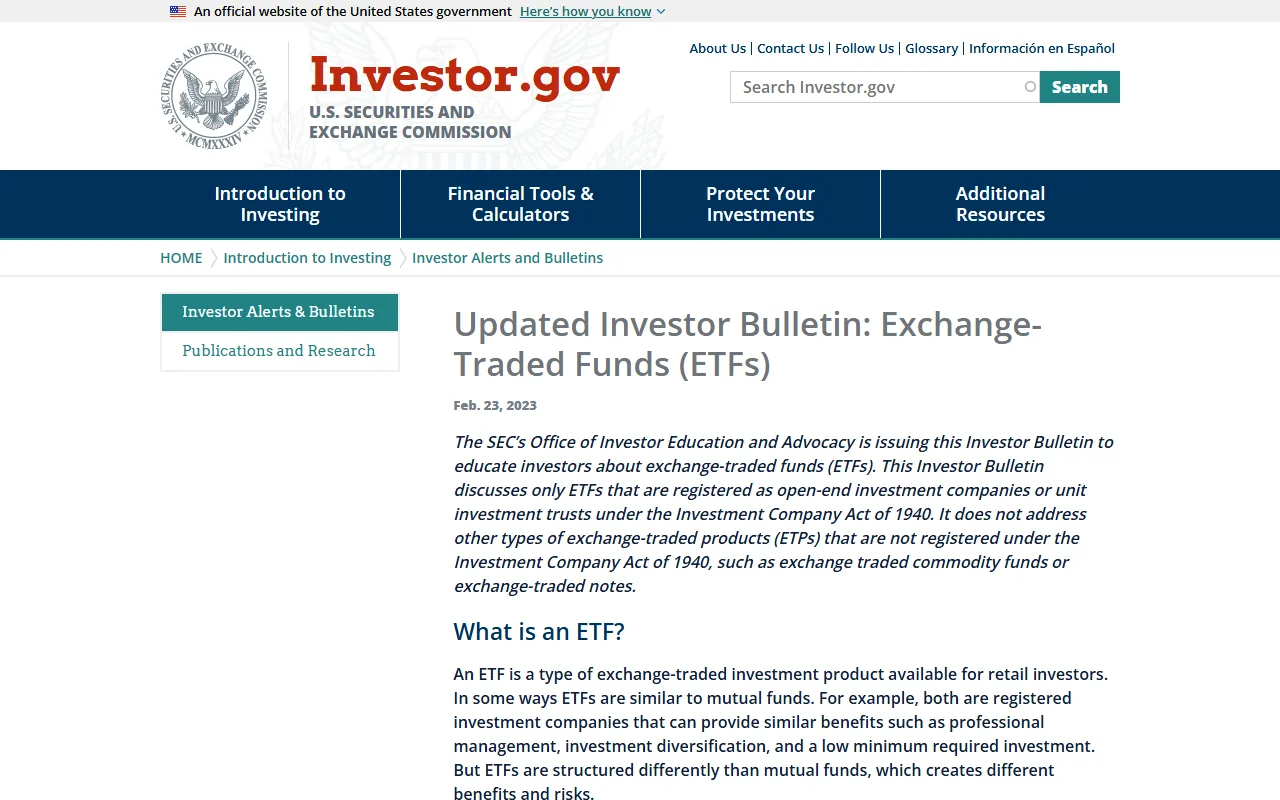
Investor.gov کے مطابق بڑے Authorized Participants (APs) securities/cash کی basket دے کر creation units لے سکتے ہیں یا ETF shares واپس دے کر basket وصول کر سکتے ہیں۔ Retail investor عام طور پر exchange پر market price سے ETF shares trade کرتا ہے۔ یہ creation/redemption mechanism market price کو NAV کے قریب رکھنے میں مدد دے سکتا ہے، مگر premium/discount ختم ہونے کی guarantee نہیں۔
| پرت | کردار | عام سرمایہ کار کی جانچ |
|---|---|---|
| Fund/issuer | objective، portfolio، fees، NAV | prospectus، factsheet، website |
| Index provider | benchmark methodology | index rules، rebalance schedule |
| AP/market maker | creation/redemption اور liquidity | spread، premium/discount history |
| Exchange/broker | intraday trade execution | bid/ask، order type، platform fee |
| Investor | ETF share holder | position، distributions، tax records |
NAV، مارکیٹ قیمت، premium اور discount
NAV per share = fund assets minus liabilities ÷ outstanding shares۔ Exchange پر quoted market price supply/demand سے آتا ہے۔
- Market price > NAV: ETF premium پر؛
- Market price < NAV: ETF discount پر۔
مثال: NAV 100 USD اور market ask 101 USD ہو تو تقریباً 1% premium ہے۔ اگر later market price NAV کے برابر آئے، underlying portfolio نہ بدلے تب بھی premium compress ہونے سے loss ہو سکتا ہے۔ Issuer website پر current/historical premium-discount اور closing NAV دیکھیں۔
ETF اور ایک کمپنی کا شیئر
| سوال | ایک کمپنی کا شیئر | ETF |
|---|---|---|
| exposure | ایک company | holdings کا basket یا strategy |
| بنیادی research | business، earnings، valuation | objective، holdings، index، costs |
| concentration | واضح single-name risk | چھپی concentration ممکن |
| recurring fund expense | نہیں، مگر broker costs | expense ratio + trading costs |
| tracking | company performance | benchmark سے tracking difference |
| corporate action | company-level | fund processing/distribution policy |
Broad ETF market-wide decline سے نہیں بچاتا۔ Sector ETF میں 50 holdings ہوں مگر top five 60% ہوں تو concentration اہم رہتی ہے۔
ETF کی اہم اقسام
- Broad-market index ETF: وسیع market index follow کرتا ہے؛ پھر بھی country/currency/valuation risk۔
- Sector/industry ETF: technology، healthcare وغیرہ؛ concentration زیادہ ہو سکتی ہے۔
- Bond ETF: bonds کی basket؛ duration، credit، rate اور liquidity risk۔
- International/emerging-market ETF: country، currency، settlement اور geopolitical risk۔
- Dividend/factor/smart-beta ETF: rules-based selection؛ methodology اور turnover سمجھیں۔
- Active ETF: manager decisions؛ benchmark، process اور fee دیکھیں۔
- Leveraged/inverse ETF: روزانہ multiple/inverse objective ہو سکتا ہے؛ compounding سے long-term result index multiple جیسا نہیں رہتا۔ Beginner اسے عام buy-and-hold ETF نہ سمجھے۔
Commodity fund، ETN یا tokenized product نام میں exchange-traded ہو سکتا ہے مگر registered equity ETF جیسا structure نہیں۔ Prospectus میں legal form دیکھیں۔
خریدنے سے پہلے 12 جانچیں
- Ticker + legal fund name: ملتے جلتے funds الگ ہو سکتے ہیں۔
- Objective: کس benchmark/strategy کو follow کرتا ہے؟
- Replication: physical holdings، sampling یا derivatives؟
- Holdings date: current portfolio اور top 10 weights۔
- Sector/country concentration: hidden overlap۔
- Expense ratio: annual operating cost۔
- Tracking difference/error: benchmark سے actual فرق۔
- AUM اور liquidity: bid-ask spread، volume، market depth۔
- Premium/discount: current اور historical range۔
- Distribution policy: cash، accumulation/reinvestment، frequency۔
- Domicile/tax: fund jurisdiction، withholding، estate/reporting questions۔
- Closure/structure risk: issuer notice، securities lending، derivatives/counterparty rules۔
ہر value کے ساتھ document date لکھیں۔ پرانا factsheet current holdings نہیں۔
Expense ratio اور سودے کی لاگت الگ ہیں
Expense ratio fund assets سے جاری basis پر کم ہوتا ہے؛ عام طور پر wallet میں الگ debit نہیں دکھتا۔ Trading پر الگ costs ہو سکتے ہیں:
- Binance platform fee یا spread؛
- ETF کا bid-ask spread؛
- market price premium/discount؛
- non-USDC conversion؛
- taxes/regulatory charges؛
- possible ADR/underlying effects، structure کے مطابق۔
Investor.gov کی 2025 fee bulletin یاد دلاتی ہے کہ prospectus fee table کے باہر بھی ETF transaction costs ہو سکتے ہیں۔ “0.10% expense ratio” کو total cost نہ کہیں۔
لاگت کی فرضی مثال
فرض کریں:
- investment: 100 USD؛
- Binance platform fee: 0.35 USD؛
- quoted bid-ask spread impact: 0.20%؛
- ETF expense ratio: 0.20% سالانہ؛
- conversion effect: Preview پر الگ۔
ابتدائی trade cost اور annual fund cost ایک مدت کے نہیں، اس لیے سیدھا جمع کر کے “day-one loss” نہ بنائیں۔ Record الگ رکھیں:
| لاگت | کب اثر پڑتا ہے؟ | ثبوت |
|---|---|---|
| platform fee | trade پر | Binance Preview/statement |
| bid-ask spread | entry/exit execution | bid/ask اور fill |
| premium/discount | market price vs NAV | issuer daily data |
| expense ratio | fund assets پر جاری | prospectus |
| conversion | source asset سے USDC | conversion quote/history |
Tracking difference اور tracking error
Tracking difference عام طور پر fund return minus benchmark return کا فرق ہے۔ Tracking error اس فرق کے اتار چڑھاؤ کو measure کرتا ہے۔ Expense، withholding، sampling، cash drag، rebalancing اور trading costs فرق پیدا کر سکتے ہیں۔
صرف one-year chart نہ دیکھیں۔ Fund کے official performance table میں same period، same currency، NAV return اور market-price return کو benchmark سے ملائیں۔ Past tracking future کی guarantee نہیں۔
مختلف فنڈز میں ایک ہی holdings کیسے پکڑیں؟
دو ETFs مختلف نام کے باوجود ایک ہی بڑی companies رکھتے ہوں تو portfolio diversification کم ہو سکتی ہے۔ Worksheet:
- دونوں کی latest holdings CSV/factsheet لیں؛
- top 10 names اور weights لکھیں؛
- مشترک names کا combined exposure نکالیں؛
- sector/country weights ملائیں؛
- underlying index methodology پڑھیں۔
“500 holdings” اور “100 holdings” جمع کر کے 600 unique نہ سمجھیں۔ Duplicate positions نکالیں۔
ڈیویڈنڈ یا تقسیم
ETF underlying income کو cash distribute یا fund کے اندر reinvest کر سکتا ہے، structure کے مطابق۔ Yield دیکھتے وقت:
- trailing vs forward yield؛
- distribution frequency؛
- income vs capital return؛
- withholding/tax؛
- ex-date/record/payment dates؛
- cash کس wallet میں آئے گی دیکھیں۔
High yield خود quality نہیں؛ price decline یا one-off distribution yield بڑھا سکتا ہے۔
Binance پر درست ETF پروڈکٹ پہچانیں
Direct Binance Stocks میں:
- Trade → Stocks/Stock؛
- ETF legal name/ticker؛
- shares یا fractional amount؛
- Market/Limit، session، fee اور beneficial ownership language؛
- leverage/funding/liquidation fields نہیں۔
ETF perpetual میں leverage، funding اور liquidation؛ tokenized wrapper میں issuer/chain؛ leveraged ETF خود fund کے objective میں leverage رکھ سکتا ہے مگر Futures margin field الگ بات ہے۔ تین stock-related products کا فرق پڑھیں۔
Binance پر ETF کا آرڈر دینے سے پہلے کی چیک لسٹ
- account eligibility اور direct Stocks product verify کریں۔
- issuer factsheet سے legal name/ticker ملائیں۔
- holdings، objective اور document date لکھیں۔
- market/limit اور session منتخب کریں۔
- fractional support/minimum دیکھیں۔
- Preview میں trade value، fee، conversion اور shares پڑھیں۔
- bid/ask یا available market-price context دیکھیں۔
- Confirm کے بعد fill، average price اور holding verify کریں۔
- issuer factsheet/prospectus اور statement محفوظ کریں۔
ETF جانچنے کی ورک شیٹ
| خانہ | آپ کا جواب | ماخذ اور تاریخ |
|---|---|---|
| legal name / ticker | ||
| objective / benchmark | ||
| top 10 weight | ||
| largest sector/country | ||
| expense ratio | ||
| median bid-ask spread | ||
| premium/discount history | ||
| tracking difference | ||
| distribution policy | ||
| domicile/tax question | ||
| Binance total trade cost | ||
| reason not to buy |
آخری row لازماً بھریں۔ صرف خریدنے کی وجوہات جمع کرنا confirmation bias ہے۔
کب رکیں؟
- prospectus/factsheet نہیں مل رہا؛
- ticker اور legal fund name نہیں ملتے؛
- holdings پرانی یا opaque ہیں؛
- leveraged/inverse objective سمجھ نہیں آتا؛
- spread/premium غیر معمولی مگر وجہ معلوم نہیں؛
- tax domicile critical ہے مگر جواب نہیں؛
- product direct ETF unit ہے یا derivative واضح نہیں؛
- emergency money یا borrowed funds استعمال ہو رہے ہیں۔
مستند ذرائع اور متعلقہ رہنما مضامین
- Investor.gov: Updated ETF Investor Bulletin
- Investor.gov: Mutual Fund and ETF Fees and Expenses
- Binance Academy: What Is Binance Stocks Trading?
- Stock fundamental research checklist
- Fractional Shares guide
- Risk management journal
آخری اصول: ETF کا نام نہیں، objective + holdings + concentration + structure + total cost + tax domicile بتاتے ہیں کہ آپ کیا خرید رہے ہیں۔