
اسٹاک ٹریڈنگ
Stock Fundamental Analysis Urdu: خریدنے سے پہلے Checklist
Company research کی قابلِ عمل Urdu guide: EDGAR/10-K/10-Q/8-K، business model، تین مالی بیانات، margins، cash flow، debt، dilution، valuation اور thesis test۔
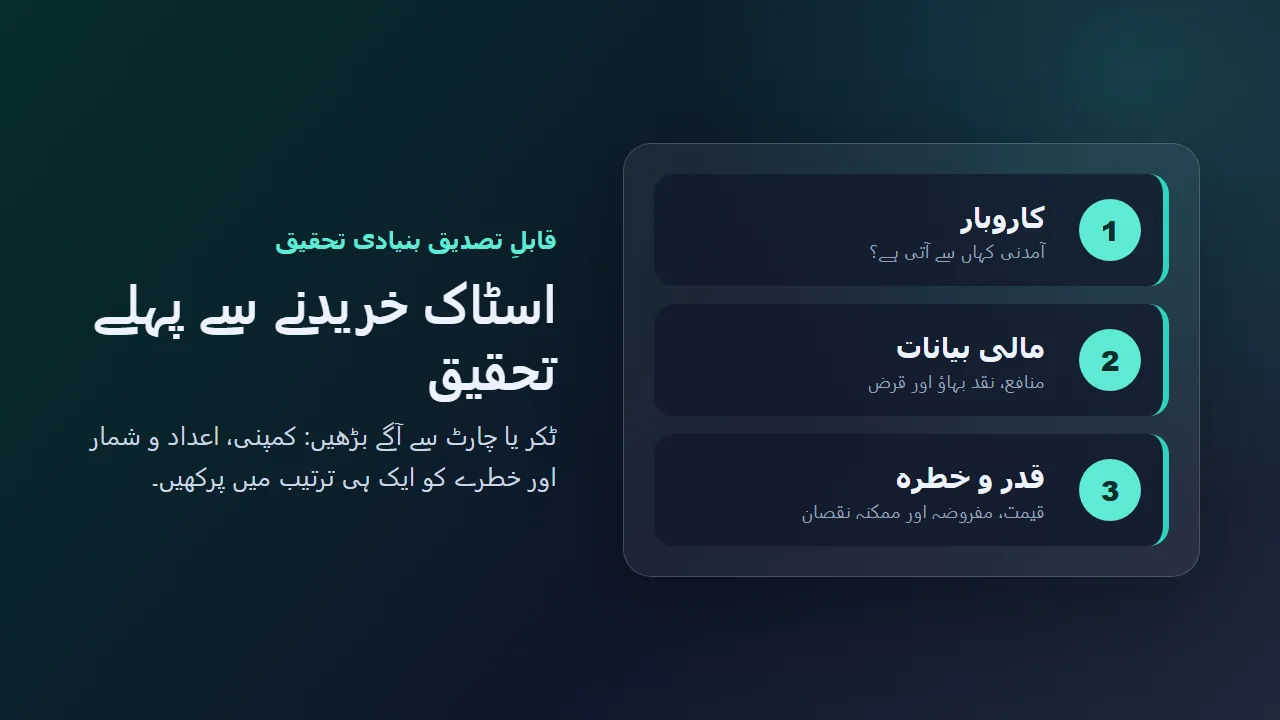
Research framework کی جانچ: 25 اگست 2026۔ یہ process evidence منظم کرتا ہے، future price نہیں بتاتا۔ مثالیں فرضی اور calculation سکھانے کے لیے ہیں؛ کسی company کا target price، return یا recommendation نہیں۔ Filing، period، currency اور source کے بغیر کوئی number استعمال نہ کریں۔
مختصر جواب
Fundamental analysis کا مقصد یہ ثابت کرنا ہے کہ:
- company کماتی کیسے ہے؛
- growth کی quality کیا ہے؛
- profit cash میں بدلتا ہے یا نہیں؛
- debt اور dilution کتنے ہیں؛
- current valuation کن assumptions پر کھڑی ہے؛
- کون سا evidence آپ کی thesis کو غلط ثابت کرے گا۔
Ticker، famous brand، rising chart یا influencer screenshot خریداری کی کافی وجہ نہیں۔ ایک مکمل research note میں source، calculation، risk، valuation اور falsification rule پانچوں ہوں۔
مرحلہ 0: درست کمپنی ثابت کریں
Search سے پہلے یہ identity card بنائیں:
| خانہ | کیا لکھیں؟ |
|---|---|
| Legal company name | filing میں موجود نام |
| Ticker / exchange | current listing |
| CIK | SEC identifier، اگر US filer |
| Security type | common stock، ADR، ETF یا derivative؟ |
| Reporting currency | USD یا دوسری currency |
| Fiscal year end | calendar year سمجھ کر نہ چلیں |
| Share class | A/B یا دوسری class |
ایک جیسے نام والی company، ADR اور foreign ordinary share کے filings/rights مختلف ہو سکتے ہیں۔ Binance order ticket کو issuer Investor Relations اور filing identity سے ملائیں۔
بنیادی ذرائع کی ترتیب
- Regulator filing database: SEC EDGAR یا متعلقہ ملکی regulator؛
- Company Investor Relations: filings، earnings releases، presentations؛
- Audited financial statements + notes؛
- Exchange notices اور corporate-action filings؛
- secondary analysis صرف context کے لیے، source کے متبادل نہیں۔
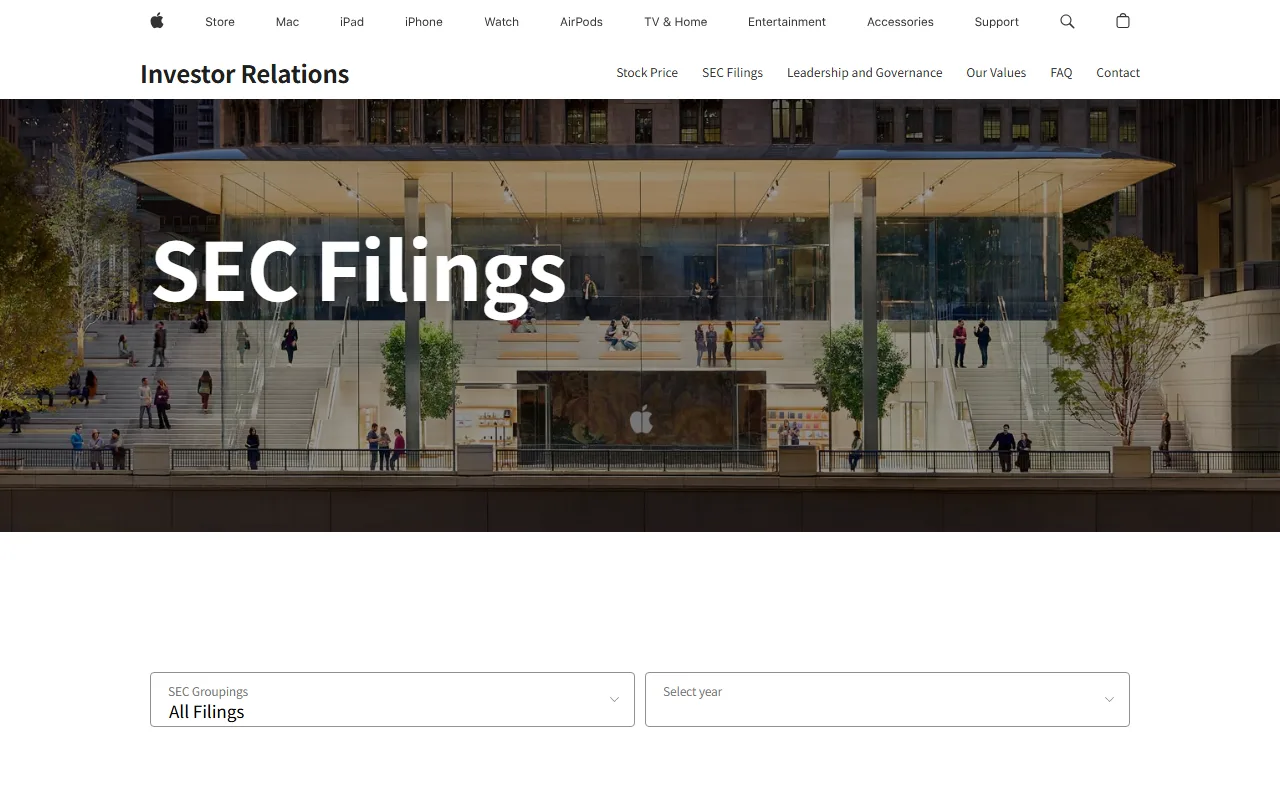
Issuer page آسان access دیتا ہے، مگر filing date/form/CIK کو EDGAR record سے ملائیں۔ SEC filing موجود ہونے کا مطلب SEC نے investment approve یا return guarantee نہیں کیا۔
EDGAR میں کون سا فارم کیوں؟
Investor.gov کی EDGAR guide کے مطابق US domestic public companies کے عام forms:
| Form | مقصد | آپ کیا نکالیں؟ |
|---|---|---|
| 10-K | audited annual report | business، risks، MD&A، statements، notes |
| 10-Q | quarterly update، عموماً unaudited | recent trend، cash flow، risk changes |
| 8-K | material current event | earnings، acquisition، leadership، impairment وغیرہ |
| DEF 14A | proxy statement | executive pay، board، voting، related matters |
| Forms 3/4/5 | insider holdings/transactions | transaction type، date، direct/indirect ownership |
| 10-K/A یا 10-Q/A | amendment | اصل filing سے کیا بدلا؟ |
Foreign private issuer 20-F/6-K جیسے forms استعمال کر سکتا ہے۔ Form code دیکھے بغیر “quarterly/annual” فرض نہ کریں۔
10-K کس ترتیب سے پڑھیں؟
Investor.gov کی 10-K guide یہ useful sections دکھاتی ہے:
- Business: products، segments، customers، geography، competition؛
- Risk Factors: company-specific اور industry risks؛
- MD&A: management کے مطابق results کے drivers؛
- Financial Statements: income statement، balance sheet، cash flow، equity؛
- Notes: accounting policy، debt، segments، stock compensation، commitments؛
- Auditor report: opinion اور critical matters؛
- Controls/Procedures: internal-control weaknesses یا changes؛
- Exhibits: material contracts اور supporting documents۔
Glossy annual report کا summary پڑھ کر notes چھوڑنا خطرناک ہے۔ Search terms استعمال کریں: “material weakness”، “going concern”، “impairment”، “customer concentration”، “related party”، “covenant”، “restatement”۔ نتیجہ context میں پڑھیں، keyword count کو فیصلہ نہ بنائیں۔
کاروباری ماڈل ایک جملے میں
Template:
[Company]، [customer] کو [product/service] بیچ کر [revenue model] سے کماتی ہے؛ growth کا بنیادی driver [driver] اور بڑا constraint [constraint] ہے۔
اگر یہ جملہ filing سے ثابت نہیں تو ratios روکیں۔ Segments، geography، unit economics، recurring/one-time revenue، customer concentration اور pricing power الگ لکھیں۔
تین مالی بیانات کو ایک ساتھ پڑھیں
آمدنی کا گوشوارہ (Income statement)
Revenue، gross profit، operating income، interest، tax اور net income دکھاتا ہے۔ سوال: growth volume سے آئی، price سے، acquisition سے یا accounting change سے؟
بیلنس شیٹ
Cash، receivables، inventory، debt، leases، liabilities اور equity کی snapshot۔ سوال: growth کے لیے working capital یا debt تیزی سے بڑھا؟
نقد بہاؤ کا گوشوارہ (Cash-flow statement)
Operating، investing اور financing cash flows۔ سوال: reported profit cash بنا، یا receivables/inventory میں پھنس گیا؟
Linkage check:
- Net income cash-flow statement سے شروع ہو سکتا ہے؛
- depreciation non-cash adjustment ہے؛
- capex investing cash outflow؛
- debt issue/repayment financing؛
- buyback/dividend financing outflow؛
- ending cash balance sheet سے ملنا چاہیے۔
تینوں statements کا period اور units یکساں رکھیں—thousands، millions اور billions نہ ملائیں۔
دوبارہ حساب کیے جا سکنے والے بنیادی پیمانے
آمدنی کی نمو
(Current revenue − Prior comparable revenue) ÷ Prior revenue
Current 120، prior 100 ہو تو 20% growth۔ Acquisition/FX impact الگ نہ ہو تو organic growth نہ کہیں۔
مجموعی منافع کا مارجن (Gross margin)
Gross profit ÷ Revenue
Gross profit 48 اور revenue 120 ہو تو 40%۔ Margin change product mix، pricing یا costs سے آیا؟
آپریٹنگ مارجن
Operating income ÷ Revenue
Operating income 18 اور revenue 120 ہو تو 15%۔ Restructuring یا stock compensation adjustment الگ label کریں۔
فری کیش فلو
سادہ definition: Operating cash flow − capital expenditure
OCF 22 اور capex 8 ہو تو 14۔ Company کی definition مختلف ہو سکتی ہے؛ اپنے formula کو label کریں۔ Acquisition payment کو capex سمجھ کر خودکار subtract نہ کریں۔
خالص قرض (Net debt)
سادہ form: Interest-bearing debt − cash/cash equivalents
Lease liabilities، restricted cash یا investments شامل کرنے کا فیصلہ واضح کریں۔ Debt maturity اور interest expense ratio سے زیادہ اہم ہو سکتے ہیں۔
حصص کی تخفیف (Dilution)
Diluted weighted-average shares اور period-end shares کا trend دیکھیں۔ Revenue 10% بڑھے مگر shares 12% بڑھیں تو per-share result کمزور ہو سکتا ہے۔ Stock-based compensation expense اور buybacks دونوں پڑھیں؛ buyback dilution offset کر سکتا ہے، value create لازماً نہیں۔
منافع کے معیار کی جانچ
- Net income بڑھا مگر operating cash flow گرا؟
- Receivables revenue سے تیز بڑھے؟
- Inventory sales سے تیز بڑھی؟
- Capitalized costs یا “other income” profit بڑھا رہے ہیں؟
- One-time gain recurring earnings میں شامل ہے؟
- Adjusted metric بار بار “one-time” items نکالتی ہے؟
- Tax rate غیر معمولی کم/زیادہ ہے؟
- Auditor، accounting policy یا control weakness بدلی؟
ایک signal fraud ثابت نہیں۔ Note، management explanation اور کئی periods سے cause verify کریں۔
قرض اور ادائیگی کی سکت
صرف debt/revenue نہ دیکھیں۔ Worksheet:
| سوال | ثبوت |
|---|---|
| total debt اور net debt؟ | balance sheet + debt note |
| اگلے 1/3/5 سال maturities؟ | maturity table |
| fixed یا floating rate؟ | debt terms |
| interest coverage؟ | operating income/interest context |
| covenants یا collateral؟ | notes/exhibits |
| refinancing source؟ | cash، FCF، credit facilities |
| off-balance commitments؟ | leases، guarantees، purchase obligations |
High cash اور high debt کو net کر کے maturity/interest risk غائب نہ کریں۔
قدر کا تعین: ratio کو کہانی نہ بنائیں
- P/E: price ÷ EPS؛ loss یا one-off earnings میں misleading۔
- Price/Sales: margins/debt ignore کرتا ہے؛ peer economics یکساں ہوں۔
- EV/Sales یا EV/EBITDA: capital structure compare میں useful، مگر capex/working capital/stock compensation hide کر سکتا ہے۔
- FCF yield: free cash flow ÷ market value؛ FCF definition واضح ہو۔
Same company کے کئی years، peers اور cycle context دیکھیں۔ “P/E کم ہے” thesis نہیں؛ market کس decline/risk کو price کر رہی ہے؟
منظرنامے بنائیں، ہدفی قیمت نہیں
تین scenarios بنائیں، probability گھڑنے کے بجائے assumptions لکھیں:
| مفروضہ | مندی | بنیادی | تیزی |
|---|---|---|---|
| revenue growth | |||
| operating margin | |||
| reinvestment/capex | |||
| dilution | |||
| valuation multiple | |||
| thesis-breaking evidence |
Output range uncertainty دکھاتا ہے۔ ایک exact target precision کا فریب دے سکتا ہے۔
آنے والے واقعات کا کیلنڈر
- earnings date/time اور timezone؛
- 10-Q/10-K due window؛
- product/regulatory decision؛
- debt maturity/refinancing؛
- dividend ex-date/payment؛
- shareholder meeting/proxy vote؛
- merger، split یا other corporate action۔
Earnings کے آس پاس market order، extended-session liquidity اور gap risk سمجھیں۔ Filing delayed ہو یا auditor resign کرے تو exact 8-K پڑھیں، rumor نہیں۔
ریسرچ نوٹ کا سانچہ
کمپنی کی شناخت
Legal name، ticker، CIK، security type، currency، fiscal year۔
بنیادی سوچ — تین قابلِ جانچ نکات
ہر point کے ساتھ filing، period، section اور calculation۔
خطرات — کم از کم تین
Company-specific، industry/macro، balance-sheet/capital-allocation۔
مالی جدول — کم از کم تین قابلِ موازنہ سال
Revenue، gross/operating margin، OCF، capex، FCF، cash، debt، diluted shares۔
قدر کا تعین (Valuation)
Current price/date، share count، net debt، selected metric، peer/history caveat۔
اپنی سوچ غلط ثابت کرنے کے اصول
کون سا evidence thesis کو غلط کرے گا؟ مثال: دو quarters میں customer concentration بڑھنا، margin threshold ٹوٹنا، debt covenant concern یا product thesis fail ہونا۔
پوزیشن اور رسک کا منصوبہ
Maximum loss، position size، event exposure، review date، exit reason۔ Risk management journal سے جوڑیں۔
ریسرچ کے دوران خطرے کی علامتیں
- source صرف social media screenshot؛
- revenue number کا period/currency غائب؛
- company-adjusted metric کو audited GAAP/IFRS کہنا؛
- bullish points ہیں، مخالف evidence نہیں؛
- valuation ratio مختلف industries سے random compare؛
- old filing کو current balance sheet کہنا؛
- 10-K amendment/8-K ignore کرنا؛
- share count اور dilution چھوڑنا؛
- price chart کو business proof کہنا؛
- “SEC filing ہے، اس لیے approved investment” کہنا۔
خرید سے پہلے آخری چیک لسٹ
- legal company/ticker/CIK ملتے ہیں؛
- latest 10-K، 10-Q اور material 8-K پڑھے ہیں؛
- business model ایک جملے میں source کے ساتھ لکھا ہے؛
- تین statements کے period/units ملتے ہیں؛
- growth، margins، FCF، debt اور dilution خود calculate کیے ہیں؛
- notes، auditor اور controls پڑھے ہیں؛
- valuation assumptions واضح ہیں؛
- کم از کم تین risks اور falsification rules ہیں؛
- event calendar اور position-size limit لکھی ہے؛
- Binance Preview میں صحیح instrument، fee، session اور quantity verify ہوں گے۔
مستند ذرائع اور متعلقہ رہنما مضامین
- Investor.gov: Using EDGAR to Research Investments
- Investor.gov: How to Read a 10-K
- SEC: Search Filings
- ETF due-diligence guide
- Beneficial Ownership اور corporate actions
- پہلا Stock order checklist
آخری اصول: اچھی research کا نتیجہ “خریدیں” نہیں، بلکہ ایسا evidence record ہے جسے دوسرا شخص دوبارہ calculate کر سکے اور نئی filing آنے پر غلط ثابت بھی کر سکے۔